
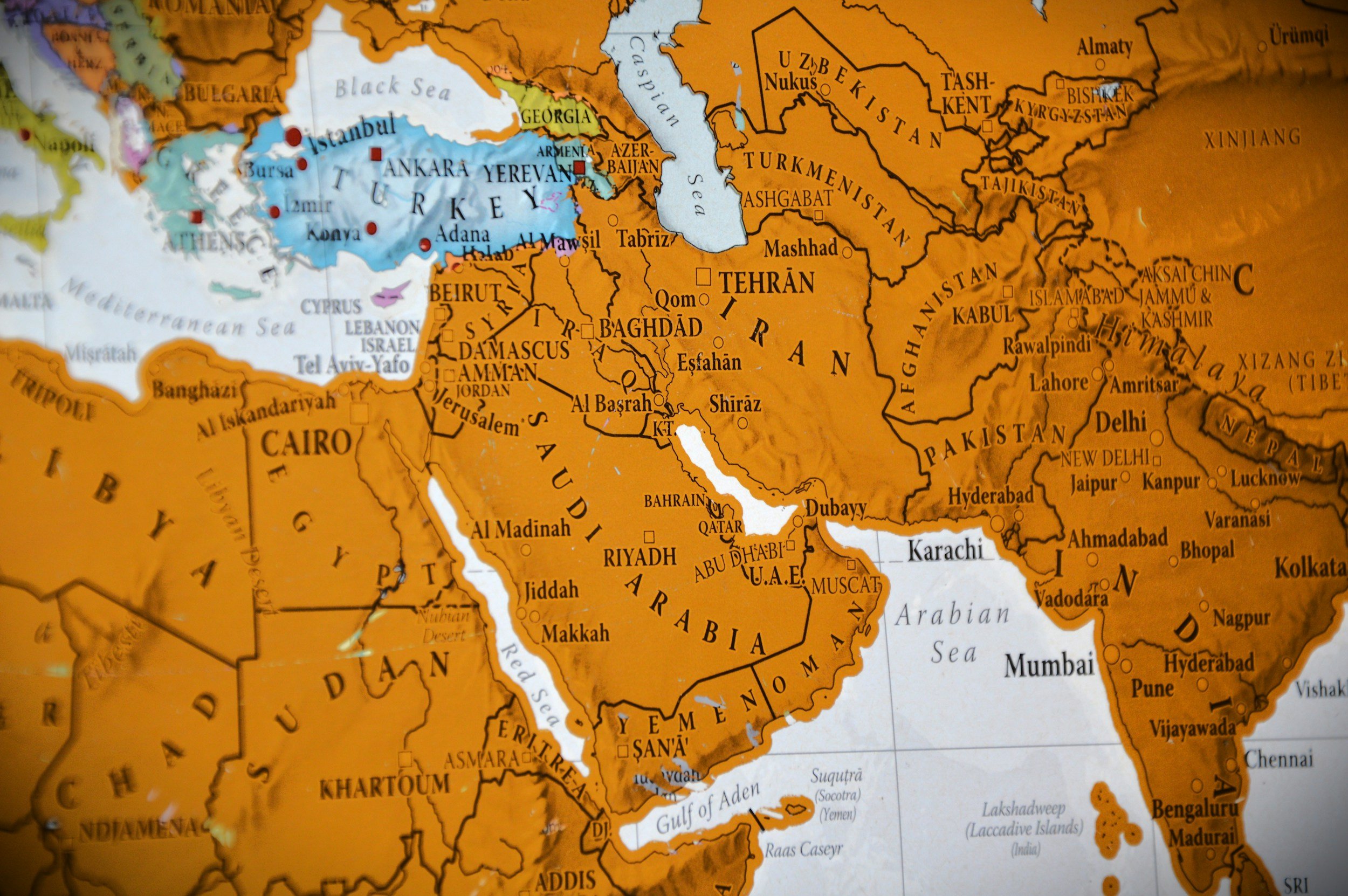
The pressure on Middle Eastern energy flows has intensified further, as disruption expands to infrastructure used to bypass Hormuz, following the temporary shutdown of Saudi Arabia’s East– West pipeline after multiple drone strikes. Meanwhile, Houthi forces sought to consolidate their position around the Bab elMandeb Strait by seizing strategic locations and continuing strikes against targets in Saudi Arabia, enhancing their ability to control maritime traffic through the southern Red Sea and strengthening Iran’s leverage. Saudi Arabia retaliated with airstrikes against Houthi-held areas while seeking military support from the United States and regional allies through the Mecca Agreement, aiming to frame the growing presence of Houthis around Bab el-Mandeb as a wider threat to Red Sea security, energy flows and Western interests.
The East–West pipeline, with maximum capacity of around 7mn bpd, has the largest physical capacity to bypass Hormuz and had become Saudi Arabia’s main alternative route, with flows rising substantially from around 0.75mn bpd to more than 4mn bpd as Riyadh redirected additional crude towards the Red Sea following the escalation of the Middle East crisis. The available substitutes offer little scope to compensate for its loss: the UAE’s HabshanFujairah pipeline is already operating close to its roughly 1.8mn bpd capacity, while Iraq’s northern route to Ceyhan carries has even lower capacity. The pipeline had therefore become a critical release valve for Saudi oil exports. Its shutdown materially reduces rerouting flexibility, while the duration of the outage remains uncertain, with estimates reaching up to eight weeks. The attacks also raise concerns over further strikes against pipelines, refineries or export infrastructure.
The potential loss of further Saudi barrels is significant, with the Kingdom accounting for around 15% of global seaborne crude trade. Saudi crude production had already fallen to 6.24mn bpd in August, the lowest reported level since 1990, amid Houthi disruption to Red Sea shipping that constrained the Kingdom’s export capacity. A prolonged outage would therefore deepen an already substantial reduction in supply to the international market and add further upward pressure on oil prices, with higher energy costs likely to exacerbate inflationary pressures and weigh on global economic growth.
For crude carriers, the latest escalation intensifies the implications of the disruption already affecting tanker markets. A prolonged shutdown of the East–West pipeline would effectively remove the most important alternative route for bypassing Hormuz, taking additional cargoes out of the market. At the same time, it adds another layer of inefficiency to an already heavily disrupted regional trading system. Hormuz-related workarounds, including shuttle voyages and STS transfers off Oman, require considerably more vessel time and operational complexity than the conventional pattern of VLCCs loading in the Gulf and sailing directly to their destinations. Meanwhile, the growing Houthi presence around Bab el-Mandeb, together with continued attacks on commercial vessels, is accelerating the loss of commercial confidence in the Red Sea route, effectively discouraging transits even without a formal closure of the strait. As a result, alternative routing arrangements involving SUMED/Sidi Kerir, additional STS operations and diversions around the Cape of Good Hope could become more prevalent, with these emergency workarounds materially increasing tonne-mile demand. Collectively, the longer and more complex trading patterns tie up tonnage capacity for longer, effectively constraining the supply of available vessels. This operational tightening, combined with the geopolitical risk premium and higher insurance costs associated with regional trading, adds further upward pressure on freight rates. Middle East-linked earnings have consequently reached exceptionally high levels, although such returns are increasingly theoretical given the limited number of owners willing to expose vessels and crews to the region.
Against this backdrop, the timing of a resumption of East–West pipeline flows will be critical, as bringing this major bypass route back into service would restore a significant degree of export flexibility and help alleviate pressure on regional energy flows. With global oil inventories falling, a prolonged outage would leave the market with less capacity to absorb further supply losses, placing the resilience of global energy markets under increasing strain, particularly given the concurrent disruption to LNG flows. The latest escalation in Middle East again highlights the need for a higher diversification of energy supply, reducing dependence on a resource-rich but highly geopolitically sensitive region.
Data Source: Intermodal