
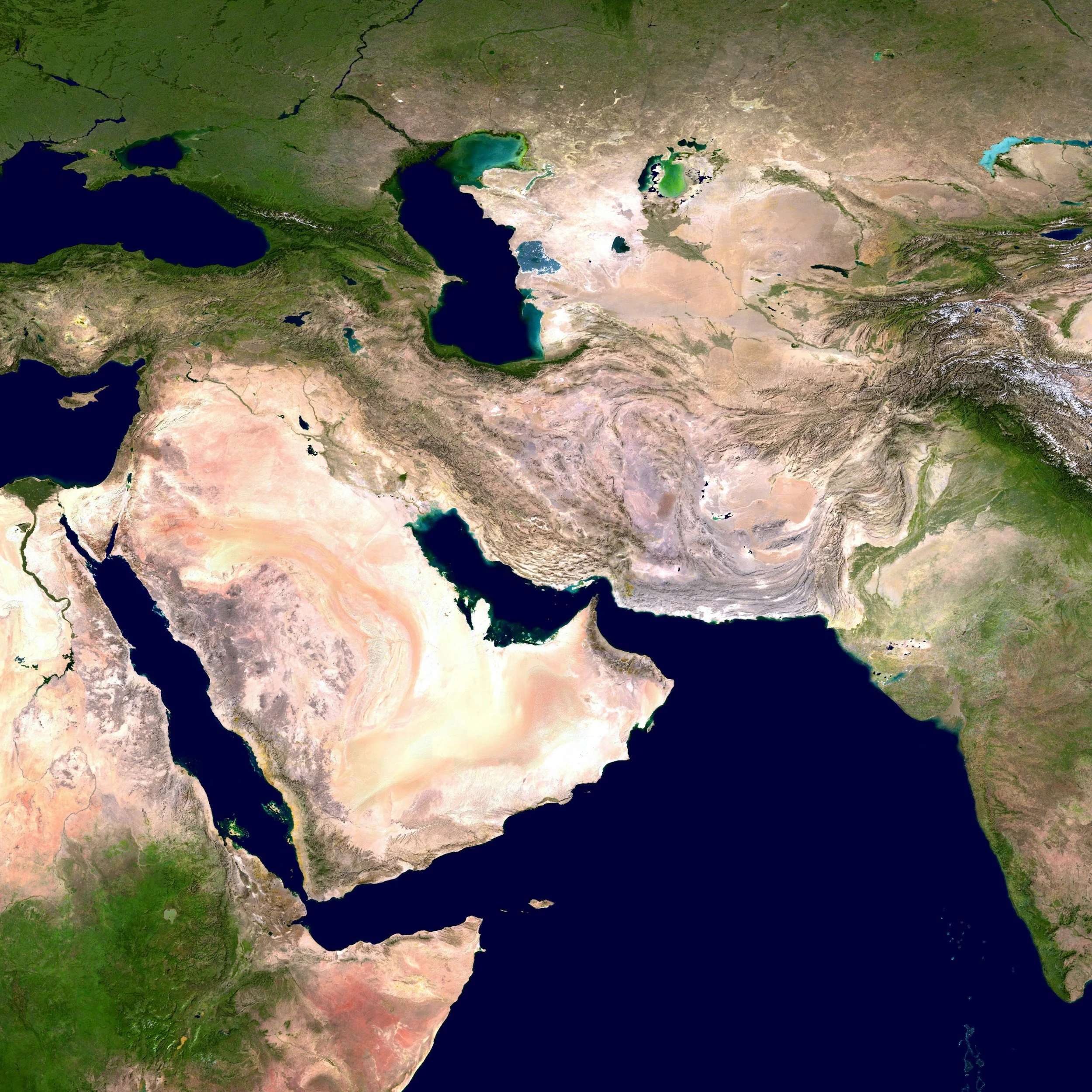
The latest escalation in the Gulf has triggered one of the most extreme short-term reactions the tanker market has seen in years. The Strait of Hormuz, which normally accommodates 80– 100 vessel transits per day and carries close to 20% of global oil consumption (around 20 mb/d), has shifted from a high-volume artery of global trade to a zone of acute operational paralysis.
Iranian crude exports had been running near 2.0–2.1 mb/d prior to the escalation, while total crude and condensate flows moving through Hormuz typically approach 14–15 mb/d on a net export basis from Gulf producers. The scale of exposure explains the violent freight response. VLCC earnings reacted immediately. The Middle East Gulf–China benchmark route (TD3C) was quoted at a theoretical $423,736 per day, more than $200,000 per day higher than the previous session. Whether all of these levels are repeatable in concluded fixtures is secondary; the signal to the market is clear that effective supply has collapsed. Owners are reluctant to ballast into the region, charterers are scrambling for coverage, and vessels already inside the Gulf are effectively trapped.
As of the latest counts, roughly 3,200 vessels remain inside the Gulf, equivalent to about 4% of global fleet capacity, including over 100 crude tankers and more than 100 containerships. In addition, around 500 vessels are reported waiting off UAE and Omani waters. This is not a formal, legally declared blockade; rather, it can be characterized as risk-induced gridlock. Insurance has amplified the shock, with more than half of the leading P&I providers suspending war-risk cover for Gulf calls from early March. The result is a sharp spike in voyage costs and a strong incentive to reroute via the Cape of Good Hope, materially increasing tonne-mile demand.
Pipeline alternatives are limited. Bypass capacity through Saudi Arabia and the UAE is estimated at only ~2.5–2.6 mb/d, insufficient to compensate for a sustained Hormuz outage. Any prolonged disruption would therefore force Asian refiners to draw more barrels from the Atlantic Basin, structurally benefiting VLCC and Suezmax demand.
Across segments the impact remains uneven, with the tanker market clearly at the epicentre of the disruption. LNG segment has also tightened sharply, particularly with disruptions affecting Ras Laffan operations, pushing spot LNG carrier rates more than 20% higher in the immediate aftermath. LPG is similarly vulnerable, with roughly 30% of global LPG trade dependent on Hormuz transit. The containerships have limited direct volume exposure (around 2% of global flows), yet operational disruption is meaningful as major liners suspend Middle East bookings and reroute services, likely worsening congestion in Europe and Asia. Dry bulk is comparatively insulated but faces secondary delays.
In my view, the market is currently pricing extreme geopolitical risk rather than confirmed physical loss. However, with vessels damaged, infrastructure targeted, and rhetoric escalating, the probability of prolonged disruption cannot be dismissed. Even if a fraction of the Gulf crude flows are structurally re-routed, the tanker market could shift from a temporary spike to a fundamentally tighter cycle driven by longer hauls, higher insurance premia and constrained fleet availability.
Data Source: Intermodal