
Libya’s oil sector is gaining renewed momentum in 2026, following a series of strategic developments that took place recently at the Libya Energy & Economic Summit (LEES). The summit showcased major initiatives to attract long-term investment and expand national production capacity, including a $20 billion, 25-year framework between the National Oil Corporation (NOC) of Libya and TotalEnergies and ConocoPhillips to modernize and expand production in the Waha oil fields in the Sirte Basin. In parallel, Libya signed a MoU with Chevron to advance upstream engagement, strengthened regional energy cooperation with Egypt, and confirmed next steps for its first major oil and gas licensing round in over 17 years, offering new onshore and offshore blocks under updated commercial terms. Additionally, Libya launched its first deepwater drilling operation in nearly two decades in January 2026, with BP and Eni leading deepwater oil and gas exploration in Sirte Basin.
These developments can be viewed as growing confidence among major Western oil companies in Libya’s political and operational stability and form part of a broader strategy to attract foreign investment to update oil infrastructure and gradually increase oil production toward the government’s 2030 target of 2 mbpd. Since 2011 following Arab Spring and the fall of Colonel Gaddafi's regime, the country's oil production has been volatile, plummeting below 500,000 bpd in some years, amid conflicts between the two rival government factions, i.e. the Government of National Accord in the west and the Libyan National Army in the east, armed clashes, deliberate blockades, and widespread production disruptions.
However, following a ceasefire agreed in October 2020 that has largely held, Libya's production stabilized at 1.0-1.2 million bpd. In 2025, output rose to approximately 1.4 million bpd, with roughly 1.1 million bpd exported, representing nearly 3% of global crude oil exports.
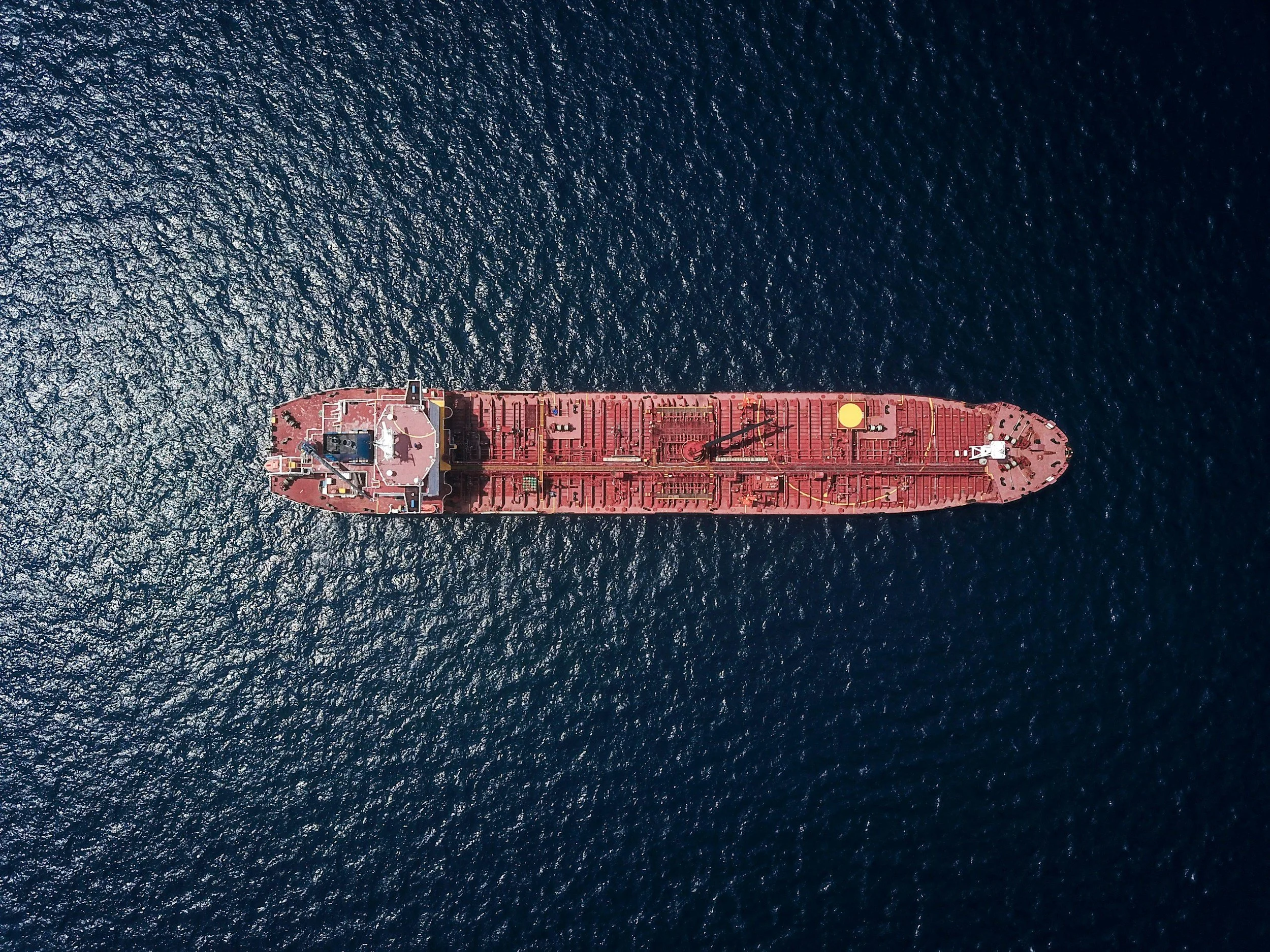
Most of these exports are short-haul shipments to European markets, mainly Italy, Spain, and France, carried primarily by Aframax tankers. Libyan crude also reaches more distant destinations, although in smaller volumes, including China, India, and the United States, with Suezmaxes carrying part of these cargoes.
For most investors, Libya's oil industry represents a high-risk, high-reward opportunity. The upside is significant, as the country holds vast proven reserves of 48 billion barrels, the largest in Africa and eighth globally, consisting of high quality, light, sweet crude low in sulphur and thus easier to refine. Moreover, its strategic location, which provides direct access to European markets, is a key competitive advantage.
However, considerable risks persist. These include elevated country risk due to the presence of two rival administrations under a fragile ceasefire, political unrest, pervasive corruption, and recurring disputes over oil revenue management. Substantial investment is also required to rehabilitate and modernize infrastructure that has been neglected or damaged during previous conflicts. According to NOC estimates, $3–$4 billion in short-term investment will be needed to upgrade and repair aging facilities.
Libya’s energy sector is attracting growing investment, with major oil companies positioning on the country to emerge as a key regional supplier. Geopolitical shifts further strengthen its prospects, creating new opportunities: as European countries retreat from Russian oil, high-quality Libyan crude could serve as a reliable alternative. At the same time, Libya sends some volumes to more distant importers such as China, India and North America among others, enabling the country to capture additional opportunities amid western sanctions on Russian barrels.
For crude carriers, a potential partial replacement of Russian imports with Libyan barrels could have mixed effects on Aframax ton-miles. Shorter shipments from Libya to Europe, particularly across the Mediterranean, would reduce Aframax ton-miles, while replacing Russian pipeline volumes could drive them higher. At the same time, a growing presence in more distant markets could support demand not only for Aframaxes but also for Suezmaxes, typically deployed on longer-haul routes. Ultimately, all of these projections rest on a single, critical factor: a stable political backdrop and sustained peace in Libya.
Data Source: Intermodal