
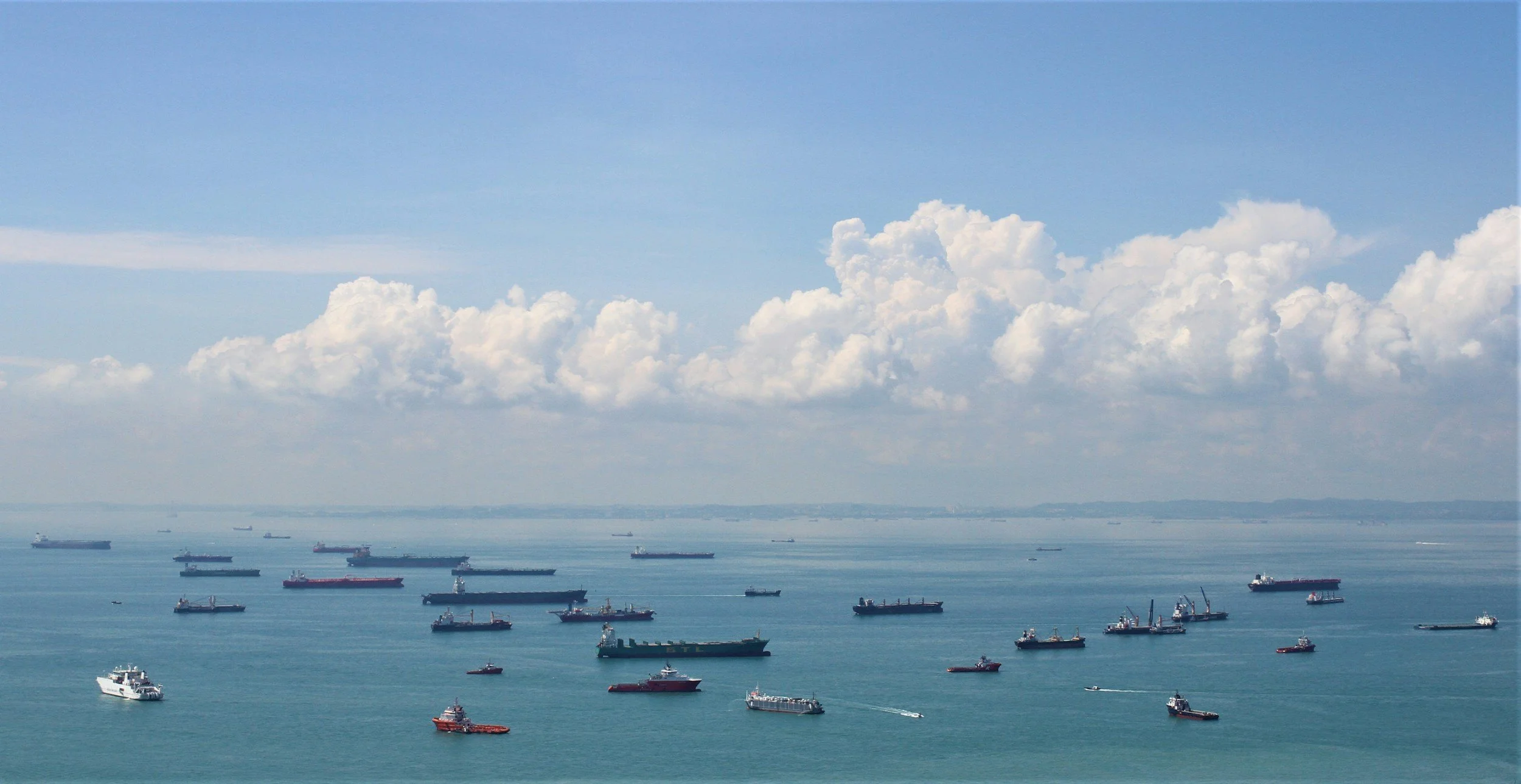
The Gulf position list eased by two ships overnight, but cargo demand stood still. There are 88 inbound ballasters against 79 Middle East Gulf stems, leaving a nine-ship surplus on paper. Global stems rebounded by five, all outside the Gulf. Meanwhile, a reported tanker strike north of Qatar has put the focus back on how many ships can actually compete for Gulf cargoes. Reuters
By Per Barre
The rebound came from outside the Gulf. Non-Gulf stems rose from 84 to 89, lifting global vessel-days by 1.8%. Global employment still sits 8.5% below October 30. In the Gulf, the stem count held at 79, but average employment per stem slipped and aggregate vessel-days fell another 0.6%.
Security risk extends beyond the strait. UKMTO reported that two unidentified projectiles struck a tanker late Wednesday about 50 nautical miles north of Qatar. Crew status and damage were unclear in the initial report. Separately, Iran’s Revolutionary Guard said Thursday that two tankers and a tug caught fire around Hormuz and claimed that one tanker struck a mine. The Iranian account remains unverified. Qatar continues to mediate, with both sides reviewing proposals. Reuters
This week. Charterers still have a numerical advantage, but laycan, vetting and willingness to transit will determine how much of it they can use. Owners able to meet those requirements may still command a premium on prompt Gulf cargoes.
Next week. If credible safe passage brings ships back into competition before Gulf loadings recover, the premium could unwind quickly. If restrictions persist, the ships willing and able to transit should retain the stronger hand on prompt stems.