
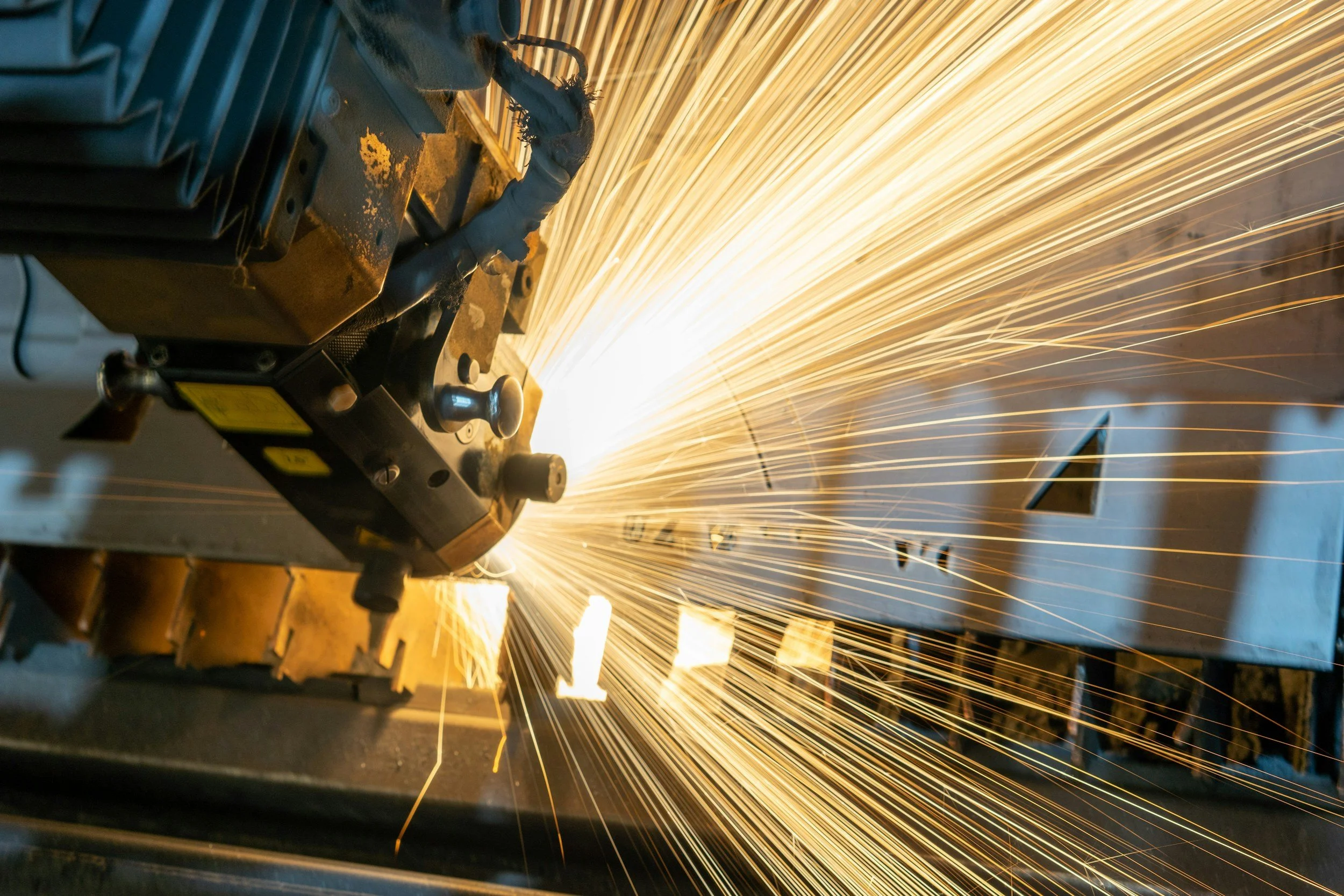
China’s steel sector has returned to focus following the recent call by the China Iron and Steel Association (CISA) for domestic producers to curb output. The move points to a growing need to align steel production more closely with domestic demand and could also affect China’s iron ore import requirements.
The sector’s challenges remain closely linked to headwinds in China’s domestic economy. Latest data from the National Bureau of Statistics point to persistent pressure in the property sector and a retreat in infrastructure investment. Construction PMI slipped to 46.9 in August, remaining below the 50-point threshold separating expansion from contraction, while infrastructure investment fell 4% y-o-y during January-August. Real estate development investment declined by a sharper 19.9%, while floor space of newly built commercial buildings sold fell 12.1% y-o-y to 498.8m square metres. Against this backdrop, domestic steel demand remains weak, continuing to weigh on market conditions and mill profitability.
Steel production is adjusting to the subdued demand environment. In August, crude steel output fell by 3.7% y-o-y, while average daily production also eased. During the first eight months of 2026, output declined 3.1% from a year earlier. However, part of the August weakness was seasonal, as high temperatures and heavy rainfall disrupted construction activity and weighed on end -user steel demand. While CISA’s initiative does not impose mandatory production cuts, greater production discipline could contribute to weaker demand for iron-bearing feedstock.
In the short term, however, iron ore buying is showing signs of strengthening as Chinese mills rebuild inventories ahead of the National Day Golden Week holiday to maintain blast-furnace operations through the break. Australian iron ore shipments to China rose by 6.2% w-o-w during the third week of September, according to Mysteel data.
Meanwhile, subdued steel demand and elevated coke prices are weighing heavily on mill profitability, as coke is a key input in the blast-furnace steelmaking process. Per Mysteel, only 7.8% of blast-furnace mills were profitable in mid-September, down sharply from 32.5% at the end of August, as higher input costs and subdued steel consumption squeezed already thin margins.
This environment is also influencing mills’ ore-buying preferences. With margins severely compressed, mills are becoming less willing to pay large premiums for higher-grade material, increasing the appeal of cheaper, lower-grade Australian ores. Australian supply also carries a freight advantage due to its shorter voyage to China compared with material sourced from Brazil or Guinea.
Elevated coke prices are, however, partly offsetting this shift toward cheaper, lower-grade iron ore. Coke inventories at Chinese steel mills have fallen close to two-year lows amid steady consumption and limited restocking, raising the prospect of stronger purchases ahead of the upcoming public holidays. This could support coke prices and preserve the value-in-use advantage of higher-Fe ores, which generally require less coke, generate less slag and support more efficient blast-furnace operations. The preference for higher-grade material could strengthen further if production cuts are concentrated in lower-margin commodity steel, while mills preserve more profitable output and prioritise furnace efficiency. Mills are therefore weighing the lower purchase cost of low-grade ore against its higher coke requirement, particularly with coke prices remaining elevated.
For dry bulk, greater reliance on Australian material would be less supportive of ton-mile demand than equivalent volumes sourced from Brazil or Guinea. However, the extent of any such shift will depend, among other factors, on relative ore-grade economics, coke costs and mill operating priorities.
Overall, seasonal pre-holiday restocking is providing near-term support to iron ore demand, but persistent weakness in China’s underlying steel market continues to cloud the outlook. Postholiday, attention will turn to the direction of steel demand, the pace of port inventory drawdowns and the evolution of mill profitability. Together with coke prices and ore-grade spreads, these factors will shape both the strength of iron ore demand and the balance between shorter-haul Australian supply and highergrade, longer-haul volumes from Brazil and Guinea.
Data Source: Intermodal