
By Eirini Diamantara & Dimitris Roumeliotis
The first quarter of 2026 delivered one of the most active S&P periods in recent memory, with 351 transactions recorded across tankers and dry bulk, representing a combined investment of approximately $11.5 billion. Activity was front-loaded into January, which alone accounted for nearly 40% of total volume, reflecting a wave of positioning decisions as the new year opened against an already elevated geopolitical backdrop.
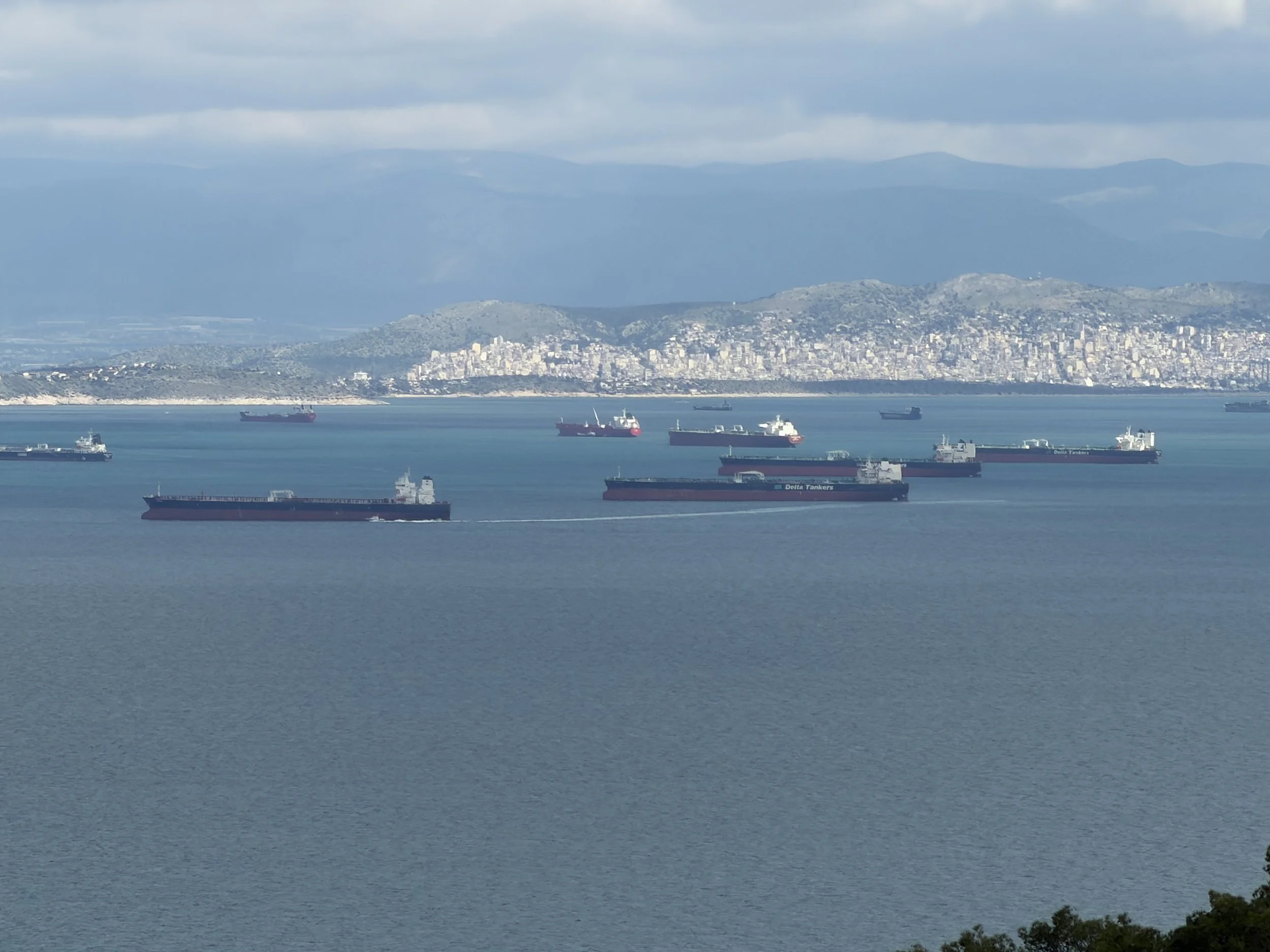
The tanker market was the unambiguous headline story, generating 164 transactions worth roughly $7.8 billion — with VLCCs accounting for a disproportionate share of both deal count and capital deployed. VLCC activity was extraordinary by any measure: 52 vessels changed hands at an average of $81 million, with modern units commanding significant premiums. A landmark package sale in mid-January saw eight 2016-built VLCCs trade at $104.2 million each, a clear benchmark for quality vintage tonnage. At the top end of the market, 2021-2022 built units fetched between $125 million and $130 million, reaffirming that scrubber-fitted, eco-specified vessels continue to command a premium even as earnings have moderated from recent peaks. Older units (2007 to 2010 vintage) cleared in the $51-70 million range, with buyers increasingly discerning on age and specification. Suezmax recorded 19 deals averaging $63.2 million, with newbuilding resales from Greek principals providing notable datapoints at approximately $99-100 million. Two pre-delivery contracts from Cyprus at $80 million each highlighted continued investor appetite for forward positions in this segment. Older 2005-2006 built units moved at $25-40 million, where the shadow fleet remains an active buyer. Aframax/LR2 produced 18 transactions averaging $49.2 million. The standout was a trio of 2023-2024 built LR2s changing hands at $84 million each, a level that reflects both the tightness in modern LR2 supply and sustained charterer demand on key East of Suez routes. MR2 was the most active mid-size segment with 38 deals, and notably, average prices climbed from $19.1 million in January to $30.3 million by March, driven by a shift toward younger, more competitive tonnage as the quarter progressed. Greek owners were the most active sellers across all tanker classes, accounting for 32 transactions, followed by Singaporean and Bermudan.
Dry bulk posted 187 transactions totalling approximately $3.7 billion, with March emerging as the strongest month, with 71 deals worth $1.39 billion, suggesting renewed confidence as the quarter closed. Handysize led in deal count with 40 transactions at an average of $14.2 million, while Supramax followed closely with 39 deals averaging $12.4 million, a segment where Greek sellers again dominated, offloading older tonnage averaging 17 years of age. Ultramax was the standout in value terms: 27 vessels traded at an average of $29.3 million against an average age of just 5.9 years, reflecting strong interest in modern, fuel-efficient mid-size bulkers. Kamsarmax produced 28 deals averaging $21.2 million, with modern units (2018-2020 built) consistently clearing above $30 million. Capesize activity was measured at 19 transactions averaging $28.7 million for vessels averaging nearly 17 years, buyers remain price-sensitive in a segment where freight rates have yet to provide sufficient support for aggressive asset acquisitions. Newcastlemax saw just four deals, though the spread, from $26 million for a 2006-built to $76.3 million for a 2021-built, illustrates the age premium at its most acute.
Greek principals were the dominant sellers in dry bulk as well, accounting for 44 transactions, underlining their continued role as the market's primary liquidity providers across both segments.
Data source: Xclusiv Shipbrokers Inc.