
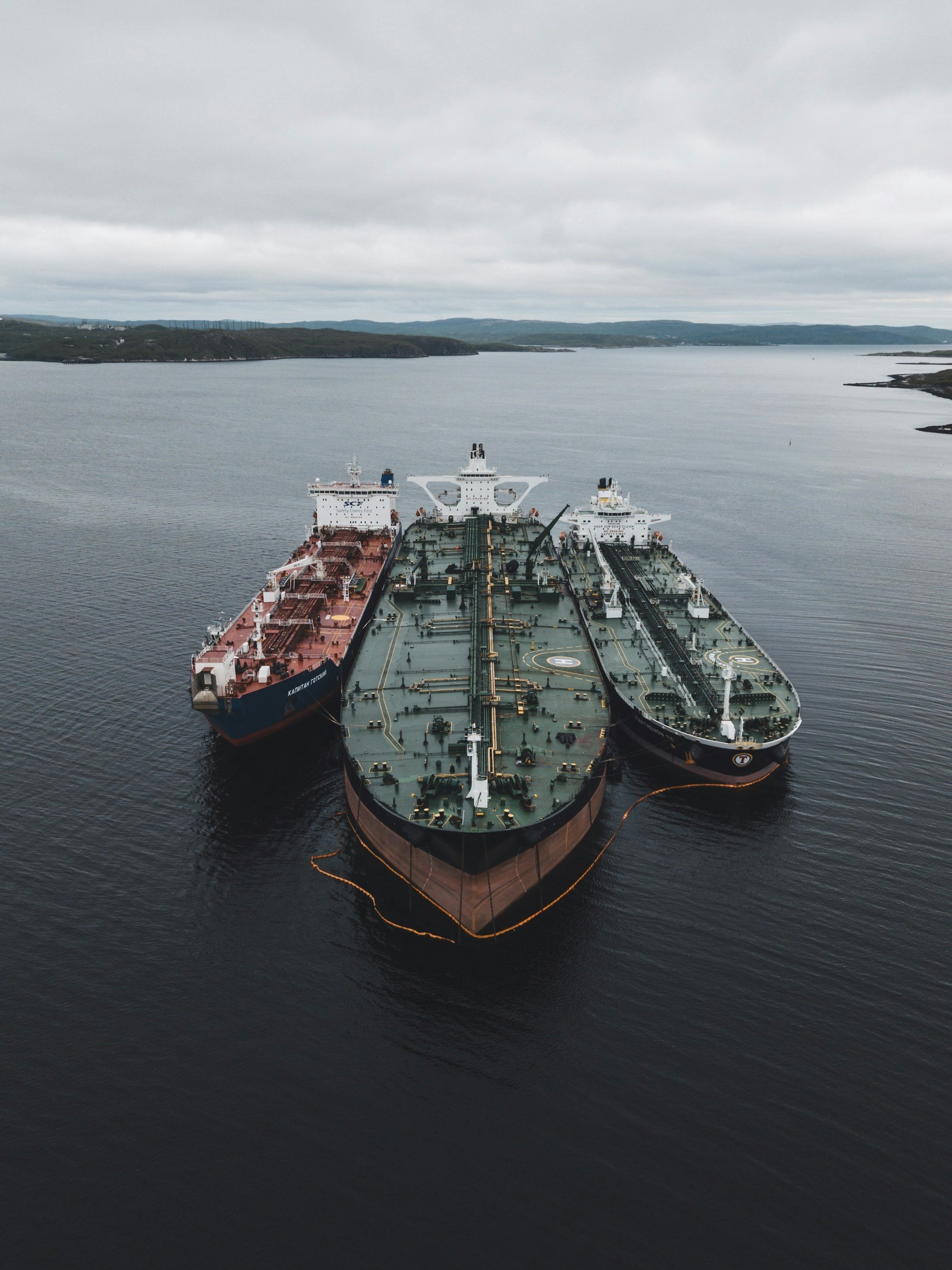
Vance trip cancelled. Ceasefire extended indefinitely. US seizes first Iranian vessel. IRGC fires on ships. ~20,000 seafarers trapped.
Vance Trip Cancelled – Talks Structurally Deadlocked
Trump Goodwill Request (Apr 21)
Trump called on Iran to release 8 women allegedly facing execution, ahead of scheduled negotiations (Truth Social, Apr 21).
Iran parliament speaker Ghalibaf: "We do not accept negotiations under the shadow of threat." Iran declined to send negotiators (IRNA).
Vance Trip – Cancelled (Apr 22)
White House confirmed VP Vance's second Islamabad trip is off. Vance was expected Wednesday to finalise a deal with Iranian officials.
Pakistan remains the key mediating channel – army chief flew to Tehran Apr 16 to push Round 2. No Round 2 date is set.
Signal Assessment
–No Round 2 date set. Diplomatic track stalled despite ceasefire extension.
–Iran explicitly blames US blockade for stalled talks. Negotiations structurally deadlocked.
–Trump threat remains live: "knock out every single Power Plant, and every single Bridge, in Iran" if no deal (NBC / Time, Apr 19–20).
–Negotiations shifting from deal-making to pressure standoff.
IMO Humanitarian Evacuation Plan – ~20,000 Seafarers Trapped
IMO Secretary-General Arsenio Dominguez revealed the plan at Singapore Maritime Week. Approximately ~20,000 seafarers are currently affected, confined in the Persian Gulf unable to depart.
De-escalation Signals
No clear political signal of de-escalation. Parallel escalation at sea (seizures + live fire, incl. container vessels). Maritime activity contradicts any implied pause.
Mine Clearance Verified
Safe passage along designated corridors (mine risk reduced). Does not eliminate operational risk due to active IRGC enforcement. Navigation safety ≠ security of transit
No Verified Safe Passage
No confirmed deconfliction mechanism with IRGC. IRGC has fired on vessels (Apr 18 & Apr 22) and seized and diverted ships under enforcement claims.
Departure Priority Order (IMO)
–Order based on length of time crew has been stranded, not vessel type
–Voluntary plan for all SOLAS vessels in the Persian Gulf wishing to depart
–Route: eastbound lane of the 1968 Iran-Oman Traffic Separation Scheme
–Execution dependent on security conditions, not just coordination
Market + Activation Signal
–Hormuz tensions continue to drive oil market volatility
–Iran re-closed the waterway ~Apr 18, sending Brent up to $100/bbl from mid-$90s
–Escalation extends beyond oil – direct risk to container shipping and global supply chains
US Seizes Ships – Iran Targets & Selects Who Passes
US: Seizure + Blockade Enforcement (MV Touska)
–First Iranian-flagged cargo vessel seized since blockade began; large container ship (~900 ft) en route to Bandar Abbas from Asia
–USS Spruance intercepted after ~6 hours of warnings; disabled with 5-inch gun fire, followed by US Marines boarding from USS Tripoli in the Gulf of Oman
–Vessel reportedly under US Treasury sanctions; Iran condemned the seizure as "piracy" and warned of retaliation
Iran: Seizures + Live Fire (Tankers & Containers)
–IRGC-linked vessels engaged a commercial tanker in the Hormuz/Oman transit corridor; crew communications indicated confusion over transit clearance
–Live fire on vessels (Apr 18 & Apr 22); seizure of 2 MSC-linked container vessels; actions framed as "maritime regulation violations"
US Blockade Scorecard
–~20+ vessels directed to turn back or reroute, reflecting tightening control over Strait transit
–A limited number of ships continue to transit via Iran-controlled routing near Bandar Abbas, including Iran-linked vessels
Iran Selective Passage + Larak Corridor
–Iran operating a permission-based transit regime, requiring vessels to coordinate with IRGC forces and follow designated routes
–Shipping increasingly routed via waters near Larak Island, functioning as a controlled transit path rather than a formal corridor
–Credible reports of tolls tied to passage, though legality is disputed and not formally standardised. Access selectively granted and frequently disrupted.
Blockade Release Scenarios
Ceasefire extended indefinitely (Apr 21). Vance trip cancelled (Apr 22). Touska seizure + IRGC targeting of container vessels raised stakes. Four paths from here:
Scenario A – Diplomatic Breakthrough
Trigger: Round 2 talks resume; Iran releases 8 women as goodwill
–Touska released; flag exemptions formalised; Larak corridor officially recognised
–IMO activates seafarer evacuation; oil prices fall ~5–10% on Hormuz reopening signal
POSSIBLE – Pakistan/Oman channel active; ceasefire holds
Scenario B – Selective Lift (Oil Only)
Trigger: Partial nuclear framework; blockade lifted for tankers only, not container ships
–Iranian LPG/crude exports resume for friendly-flagged vessels (China, India)
–Container vessels remain exposed to seizure and live-fire risk; Hormuz traffic recovers ~30–40%
BASELINE – most likely near-term path if talks resume
Scenario C – Extended Standoff
Trigger: Talks stall; Vance absence not replaced; ceasefire holds but no deal
–Continued seizures and live-fire; 20,000 seafarers remain stranded
–Iran entrenches Larak corridor fee system; humanitarian/fertilizer pressure forces limited UN exemptions only
RISK – current trajectory without active mediator
Scenario D – Dual Blockade Escalation
Trigger: Iran retaliates for Touska; ceasefire collapses; US bombing resumes
–Iran closes ALL traffic: Persian Gulf, Sea of Oman and Red Sea
–Oil spike well above $100/bbl; IMO evacuation of ~800 vessels becomes critical emergency; 20,000 seafarers at direct risk
TAIL RISK – threatened; costly for all; both sides know it
All data, estimates, and projections are based on information available as of April 22, 2026. Source: Signal Ocean Platform / Voyages API / Vessel Daily Status API. Analysis subject to revision as additional information becomes available.
Data Source: Signal Ocean Platform