
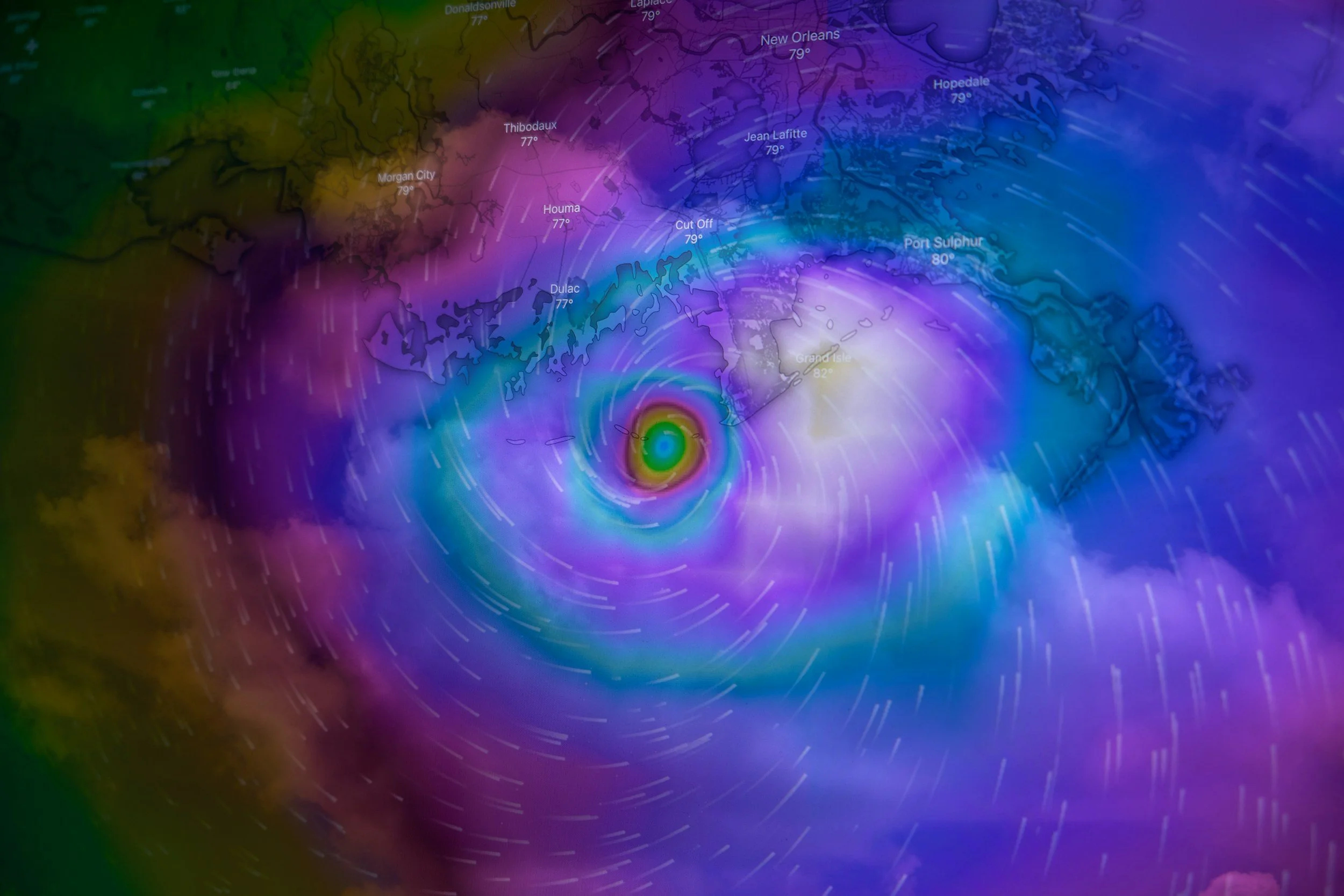
El Niño is again becoming a factor for 2026, and its freight impact is likely to be felt mainly through Asian power demand, crop risk and trade-flow shifts. The latest probability set points to El Niño emerging in May–July with an 82% probability and lasting through winter 2026/27 with a 96% probability. The important point for shipping is timing; this is developing into the Northern Hemisphere summer, when Asian power demand, Indian monsoon risk, Pacific weather disruption and grain-crop formation all start to matter at the same time.
For dry bulk, the first channel is coal. India’s peak power demand has already reached 270.73 GW, above the government’s summer expectation of 270 GW, after four consecutive days of record demand. Coal still accounts for more than 70% of Indian power generation, so a hotter and drier summer does not need to create a structural energy deficit to affect freight. It only needs to extend the call on coal-fired generation and slow the rebuilding of domestic stocks. That supports incremental imports into India, mainly Indonesia, Australia and South Africa, and helps absorb Panamax/Kamsarmax supply in the Indian Ocean and Pacific.
The second channel is China and North Asia. Asian thermal coal imports are forecast at 76.26 million tonnes in May, up 23% from April and above last year’s May level. China’s seaborne arrivals are projected at 22.63 million tonnes, while India is expected at 13.78 million tonnes. Part of this is unrelated to weather, including softer Chinese domestic output and Indonesian policy uncertainty, but El Niño adds demand-side persistence if heat raises cooling load and hydropower availability weakens. This is supportive for coal tonne-miles before the full monsoon outcome is visible.
The grain impact is more complex. El Niño normally reduces rainfall risk in Australia, Indonesia and parts of South Asia, while improving moisture in parts of southern South America. That means fewer simple conclusions for freight. Australian wheat is the clearest negative for export volumes. Current projections already point to a 19% fall in Australian wheat output to 29 million tonnes in 2026/27, with exports down 2.5 million tonnes to 23.5 million tonnes. If this verifies, it removes some long-haul wheat stems from the Pacific and shifts importers toward the Black Sea, Europe, Argentina or North America, depending on price and quality.
For agricultural freight, the support for freight may come less from higher volumes and more from trade-flow shifts. A weaker Indian monsoon can lift imports of vegetable oils, pulses, feed grains or fertilizers. Indonesia and Malaysia palm oil supply risk may redirect vegetable oil trade. South America could gain relative export share in soybeans and meal if weather improves there while Asian crops suffer. That creates more Atlantic-to-Asia demand and more vessel repositioning, especially in Supramax and Panamax segments.
The freight conclusion is therefore selective. El Niño is more constructive for coal freight than for grain freight in the near term. It supports Pacific dry bulk utilization through Asian power demand, while creating downside risk to Australian grain exports and upside risk to Atlantic grain and oilseed tonne-miles. The strongest freight response will come if heat, weak monsoon rainfall and Indonesian supply disruption occur together. Without that combination, El Niño is a volatility driver, not a blanket bullish event.
Data Source: Intermodal