
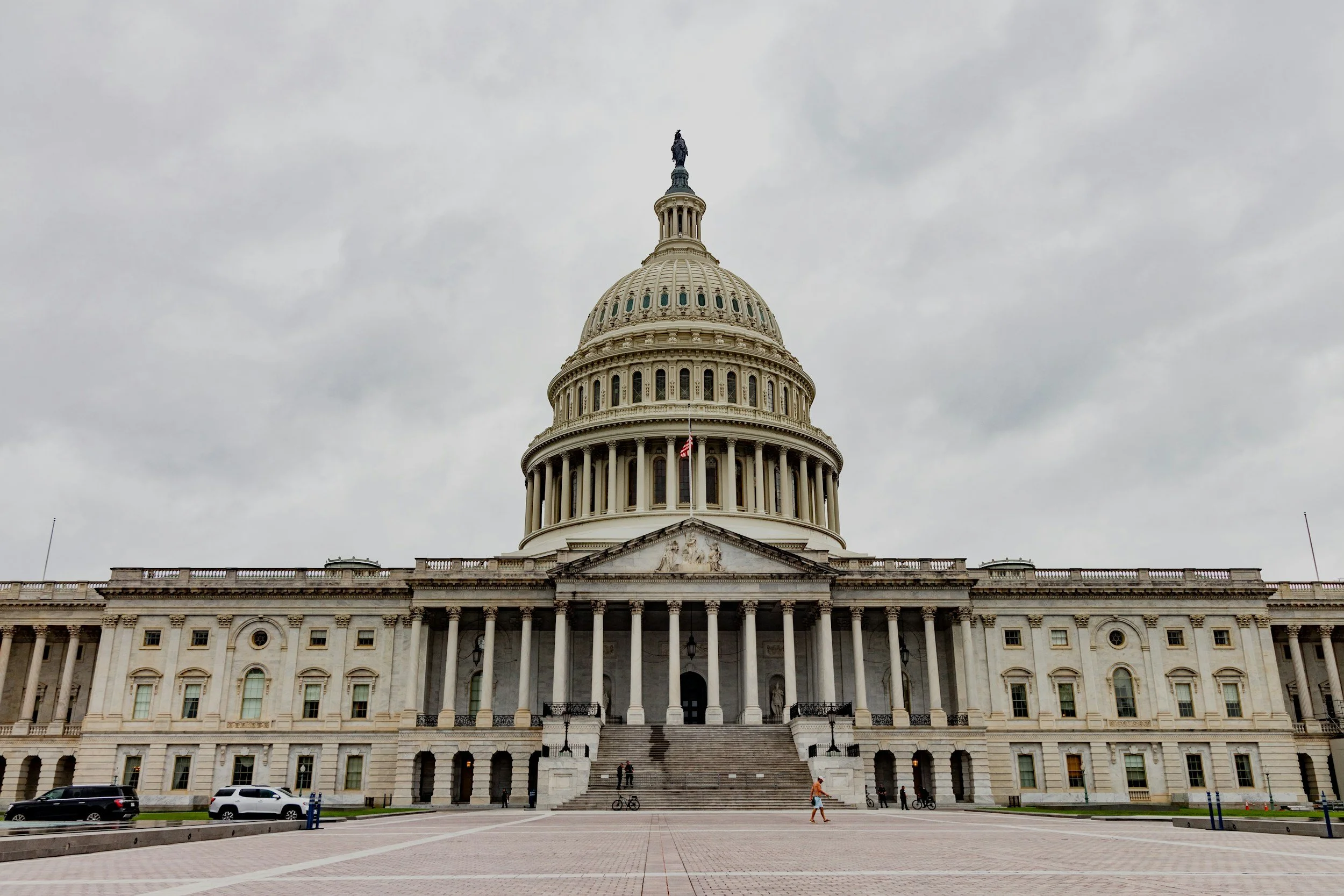
The Democratic Party’s victory in the US midterm elections, securing control of both chambers of Congress from January 2027, is expected to influence Washington’s foreign, energy, trade and maritime policies. Democrats will gain greater leverage over legislation, government spending and congressional oversight. Beyond these institutional powers, the election outcome itself could prompt President Trump to reassess certain policy priorities, even without direct Democratic pressure, as the administration considers the political and economic implications of the result. Nevertheless, Trump retains substantial executive authority, and the extent of any policy adjustments remains uncertain.
Among the issues with the most immediate implications for shipping is the conflict involving Iran. Democrats are expected to intensify pressure for diplomatic de-escalation and greater congressional oversight of military operations, potentially supporting efforts to restore safe navigation through Hormuz. However, ending military operations, securing maritime passage and adjusting sanctions on Iranian petroleum remain separate policy decisions, with progress dependent on negotiations between Washington and Tehran.
Any sustained improvement in maritime security around Hormuz could have significant implications for energy and commodity trade. A reopening of the Strait could facilitate the recovery of Middle Eastern exports, easing energy prices, warrisk premiums and transportation costs. Qatar’s LNG exports could gradually recover, although the extent and timing of production restoration remain uncertain following Iranian strikes on liquefaction infrastructure. A recovery in cargo volumes could support tanker demand, while the normalization of trading patterns and vessel availability could moderate exceptionally high freight rates and reduce ton mile demand. For dry bulk, some of the most notable market effects could include a recovery in regional fertilizer exports, while the resumption of LNG exports and lower gas prices could reduce gas-to-coal switching and thermal coal imports in some markets, potentially weighing on thermal coal trade.
Black Sea represents another area of interest for shipping. Democrats have prioritized increased assistance to Ukraine, although greater congressional support would not necessarily accelerate a ceasefire, with any lasting settlement dependent on developments between Russia and Ukraine. For shipowners, the restoration of reliable commercial navigation, port operations and export corridors would remain central to any agreement.
Beyond these geopolitical developments, the Democratic victory could influence US trade policy, with Democrats potentially favouring more selective tariffs, closer cooperation with traditional allies and targeted measures supporting strategic US industries, rather than the broad-based tariffs introduced under President Trump. In the maritime sector, the suspension of US port fees affecting Chinese-built and Chinese-linked vessels has been extended until 10 January 2027, shortly after the new Democratic Congress takes office, potentially prompting early congressional scrutiny of its scope and implementation, although final decisions remain with the administration.
Furthermore, maritime decarbonization represents another area where Democratic influence could become more pronounced. Democrats generally favour cleaner energy and stronger international environmental cooperation and could advocate renewed US engagement with the IMO’s proposed Net-Zero Framework, while also promoting greater investment in alternative marine fuels, lower-emission vessels and greener shipping practices.
These environmental priorities could also shape domestic US energy policy, with potential consequences for seaborne energy trade. Democrats may seek to expand renewable energy while advocating greater environmental scrutiny of future offshore oil exploration and new LNG export authorizations, potentially influencing the longer-term outlook for US fossil-fuel production and exports. Meanwhile, the Jones Act and efforts to revitalize domestic shipbuilding appear to retain bipartisan support, suggesting greater continuity in US maritime industrial policy. With the current Jones Act waiver due to expire on 15 November, attention could also turn to the potential extension of exemptions.
Overall, the Democratic victory could gradually influence the direction of US foreign, trade, energy and maritime policies, although the immediate implications for shipping will remain closely tied to geopolitical developments and the administration’s policy decisions. A more comprehensive shift could emerge from 2029 if Democrats also secure the presidency in the November 2028 election.
Data Source: Intermodal