
By Vasilis Fousekis, Research Analyst
With El Niño now established and forecasters pointing to a strong event, the question for shipping is where it affects freight first. Timing matters as much as strength: the largest effects on crops, water levels and trade usually arrive in the first half of the following year, which places the main freight impact in 2027.
El Niño is a dynamic disruption and its effects vary by region. Drier conditions are expected across Central America, including the Panama Canal watershed, while the impact on Brazil is different by region, with drier conditions in the central and northern grain producing states. Argentina and the southern United States, by contrast, tend to receive more rain. India, Southeast Asia and Australia are set to face droughts.
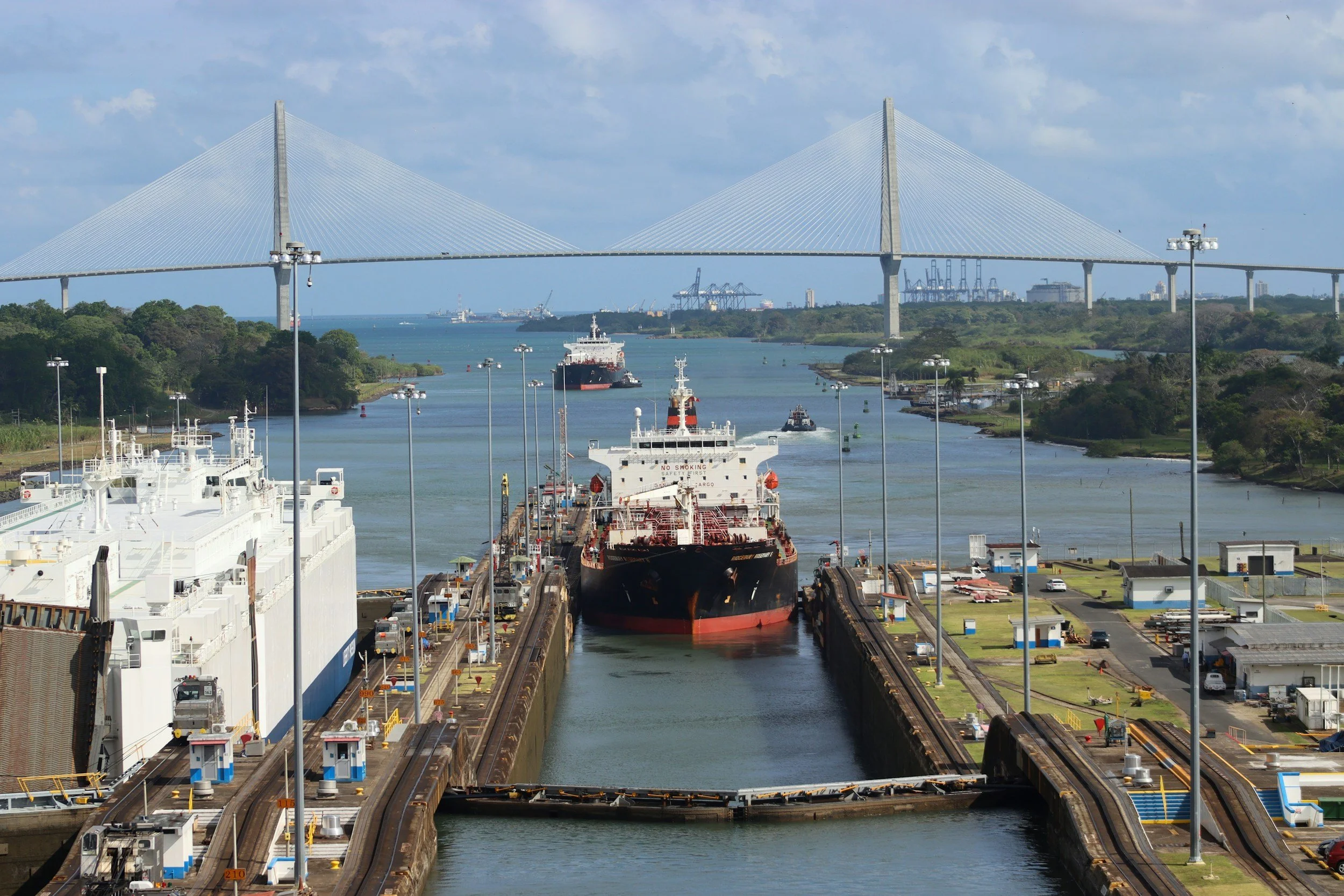
For dry bulk, the canal is the most direct link. The Panama Canal Authority, after cutting daily transits to 32 in September - only the second such reduction in history, eased restrictions following late-September rain. The relief, though, may not last. Panama’s meteorological institute expects the dry season to begin as early as the second half of November, cutting into what is normally the wettest month, when Gatun Lake is replenished. The Authority projects an average of 29.5 crossings a day over the coming fiscal year. It is also auctioning long term slots for the older Panamax locks for the first time, covering January to early April 2027. Rerouting is already visible, as deviation through the Strait of Magellan rose sharply in August and September, supporting Panamax and Kamsarmax utilisation, even when volumes are flat.
In coal, El Niño brings drought to Southeast Asia, reducing hydropower output, and increasing coal burn, notably in India and Vietnam, contributing to the shift to coal as a source of energy, in a period of high natural gas prices. However, seaborne trade is more selective. India and China are expected to import less thermal coal this year, as they draw on high domestic stocks, impacting total seaborne thermal volumes, with growth concentrated on short-haul Southeast Asian routes, such as Indonesia or Australia to Vietnam, limiting the tonne-mile gain.
In grains, El Niño is expected to affect Brazil’s 2026/27 crop mainly through irregular rainfall in central and northern Brazil, while the south faces excess rain. The key risk lies between November and January, when dry spells and heat could reduce soybean yields in Mato Grosso and the northern states, leaving the outlook for a record harvest skewed to the downside. Any delay to the soybean cycle would also push second-crop corn planting beyond its ideal window, threatening yields and Brazil’s corn exports in the second half of 2027. Some offset in South American grain trade may come from Argentina, where favorable rainfall is set to support export volumes. The United States stands to benefit, as a record soybean crop and the second-largest corn crop on record leave it well placed to fill the gap, with a longer export window into Asia in early 2027 and stronger demand for its corn later in the year. The constraint is logistics rather than supply, as Panama Canal restrictions during the dry season would limit how much of this opportunity US exporters can capture.
Drought in the Central American Dry Corridor could also lift shorthaul grain imports from the US Gulf, a modest gain for Handysize and Supramax owners. In Australia, a dry spring is already reducing wheat yields in the eastern states as the harvest begins, although large carry-in stocks could cushion exports, including shipments to China.
Effects of the phenomenon extend as well beyond dry bulk, with a notable example being Indonesian palm oil. Prolonged drought and severe wildfires are likely to lower exports, pushing importers towards more distant vegetable oil origins and lengthening hauls for product tanker owners.
Overall, El Niño effects on shipping spread through reshuffling of logistics and trade flows rather than through large swings in volumes, as also past events showed. Panama is the clearest channel for dry bulk and the most likely to tighten into early 2027, while other important impacts include potential for uplift in thermal coal demand due to declining hydropower and shifts in seaborne grain trade patterns.
Data Source: Intermodal